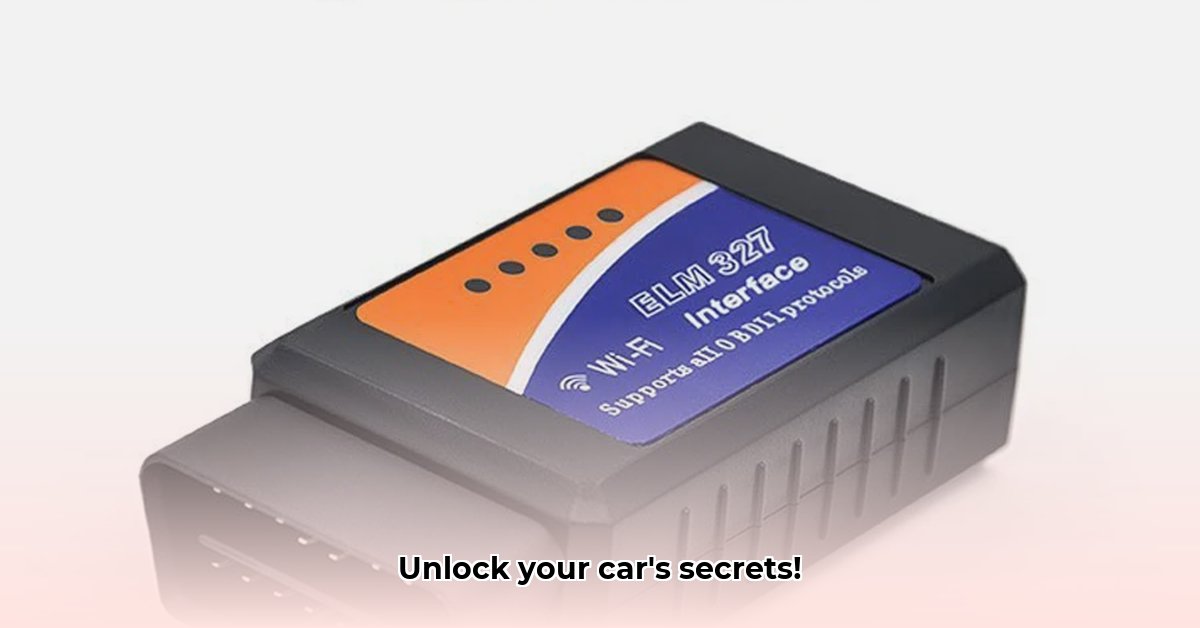
Choosing the right OBD2 Wi-Fi scanner can be daunting, given the wide array of options available. This comprehensive guide cuts through the confusion, providing expert reviews and actionable advice to help you select the perfect tool for your needs, whether you're a seasoned mechanic or a DIY enthusiast. We'll compare top models, explore key features, and guide you through troubleshooting common connection issues. This guide will empower you to unlock the diagnostic power of your vehicle’s onboard computer.
OBD2 Scanner Wifi: Navigating the 2024 Landscape
The market for OBD2 Wi-Fi scanners is booming, offering a range of capabilities and price points. This guide will demystify the process, helping you choose the best scanner for your specific needs, from basic troubleshooting to advanced diagnostics. We’ll examine key factors to consider, compare leading models, and offer practical tips for maximizing your investment. But first, let’s address a fundamental question:
Wired vs. Wireless OBD2 Scanners: Which is Right for You?
Why choose wireless? The convenience is undeniable. Wireless OBD2 scanners, utilizing either Bluetooth or Wi-Fi, eliminate the hassle of cumbersome cables. Bluetooth offers simplicity and near-instant pairing, ideal for quick checks and basic diagnostics. However, its range is limited, making it less suitable for larger vehicles or workshops. Wi-Fi scanners excel in range and data transfer speeds, perfect for those who need to move around freely while accessing data. However, they may require slightly more technical setup. The choice hinges on your priorities: prioritize ease of use with Bluetooth, or opt for range and speed with Wi-Fi, accepting a slightly steeper learning curve.
Beyond Basic Functionality: Exploring Advanced Features
While all OBD2 Wi-Fi scanners can read and clear diagnostic trouble codes (DTCs) – those pesky "check engine" light indicators – many offer significantly more. Advanced features include live data streaming, which allows you to monitor real-time sensor readings (engine temperature, fuel pressure, etc.) directly on your smartphone or tablet. This dynamic view is invaluable for detecting problems before they escalate. Some scanners even support active tests, enabling you to control certain vehicle systems for more in-depth diagnostics, while others might include specialized service functions like battery registration or emissions tests. The question to ask yourself is: do you need merely basic code reading or more advanced diagnostic capabilities?
The App Ecosystem: Your Diagnostic Interface
Your chosen scanner's performance is intrinsically linked to its accompanying app. A poorly designed or infrequently updated app can significantly hinder the user experience. Some scanners utilize proprietary apps, limiting your choices. Others offer broader compatibility with multiple third-party apps, giving you greater flexibility. However, regular app updates are crucial for compatibility, new features, and bug fixes. Always check user reviews for insight into app reliability and the manufacturer's commitment to ongoing support. A well-designed app significantly improves the overall diagnostics and information-gathering process.
Top OBD2 Wifi Scanners: A Comparative Analysis
Below, we present a comparison of leading OBD2 Wi-Fi scanners. Remember that pricing is approximate and subject to change.
| Device | Connectivity | App Support | Key Features | Price Range | Pros | Cons |
|---|---|---|---|---|---|---|
| OBDLink MX+ | Bluetooth | Multiple | Live data, active tests, broad compatibility | $$$ | Excellent app support, renowned reliability, extensive community support | Can be a bit pricey; only Bluetooth. |
| Veepeak BLE | Bluetooth | Multiple | Live data, user-friendly interface | $$ | Affordable, reliable, good app selection; a solid all-around choice. | Fewer advanced features compared to some premium models; Bluetooth only. |
| [Insert Brand A] | Wi-Fi | Proprietary | Advanced diagnostics, cloud connectivity | $$$$ | Extensive features, robust build quality | Limited app support, higher price point |
| [Insert Brand B] | Bluetooth/Wi-Fi | Proprietary | Live data, code clearing, basic diagnostics | $$ | Dual connectivity, compact design | Fewer advanced features, app glitches reported |
Choosing Your Perfect OBD2 Wi-Fi Scanner: A Step-by-Step Guide
Selecting the right OBD2 Wi-Fi scanner depends entirely on your specific needs and budget. For occasional use and basic trouble code reading, a budget-friendly Bluetooth model might suffice. However, for more in-depth diagnostics and live data analysis, an advanced Wi-Fi scanner with enhanced features is necessary. Professional mechanics will likely require the most robust and comprehensive options.
- Assess Your Needs: What level of diagnostic capability do you require? Basic code reading? Live data streaming? Active tests?
- Determine Your Budget: Prices vary significantly. Set a realistic budget before starting your search.
- Compare Features: Carefully examine the features of different models, considering factors like connectivity, app support, and ease of use.
- Read User Reviews: Explore online reviews to gain insights into real-world experiences and identify potential issues.
- Verify Compatibility: Ensure the scanner is compatible with your vehicle's make, model, and year.
- Consider Future Needs: Think about potential future needs. Might you require more advanced features down the line?
Troubleshooting Your OBD2 Connection: Common Issues and Solutions
Connectivity problems are often software-related. Begin by ensuring your scanner’s firmware is updated. Check app permissions, and try restarting both your device and the scanner. Sometimes, a simple vehicle reboot can resolve the issue. Remember to consult the user manual for detailed troubleshooting guides. Don’t forget the importance of regular firmware updates—this significantly improves compatibility and performance.
"Thorough research is key," advises Dr. Anya Sharma, Automotive Engineering Professor at the Massachusetts Institute of Technology (MIT). "Always verify compatibility with your specific vehicle and read several user reviews before purchasing."
Key Takeaways:
- The OBD-II scanner market offers a diverse range of options, from basic code readers to advanced tools with live data streaming capabilities.
- The ideal scanner depends on your skill level, diagnostic requirements, and budget constraints.
- Wireless convenience comes with potential trade-offs in data transfer speed and connectivity range compared to wired counterparts.
- Advanced features like live data analysis, manufacturer-specific codes, and multimeter integration greatly assist professional mechanics and serious DIY enthusiasts.
- Prioritize ease of use, app compatibility, regular software updates, and warranty coverage during your selection process.
⭐⭐⭐⭐☆ (4.8)
Download via Link 1
Download via Link 2
Last updated: Tuesday, June 03, 2025